Eye Health
Vision Screenings for Adults: What You Need to Know
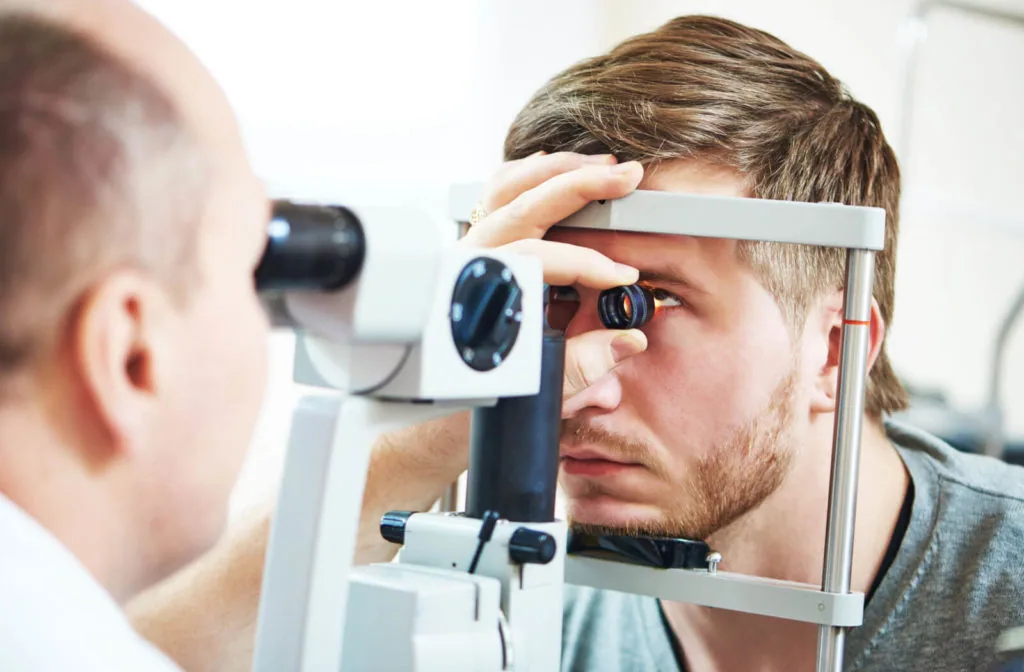
As we age, our vision changes, and maintaining optimal eye health becomes increasingly important. Regular vision screenings for adults play a critical role in identifying and addressing potential vision problems early on. This comprehensive guide explores the importance of adult vision screenings, what to expect during an exam, and how Mega Vision Center of Brooklyn, NY, can help ensure your visual health remains a top priority.
Why Are Vision Screenings Important for Adults?
Vision screenings are a preventative measure to detect vision impairments, eye diseases, or other issues before they significantly impact your quality of life. Adults are particularly vulnerable to conditions like glaucoma, cataracts, and macular degeneration.
Failing to address these issues promptly can lead to irreversible damage, including vision loss. Regular screenings at a reputable Brooklyn NY Optical Store ensure early diagnosis and effective treatment options.
Who Should Have Regular Vision Screenings?
The need for vision screenings extends to all adults, regardless of age or health status. Certain factors, however, may require more frequent check-ups:
- Age: Adults aged 40 and above are at higher risk for glaucoma and cataracts.
- Health Conditions: Diabetes, high blood pressure, and autoimmune diseases can affect eye health.
- Family History: A family history of glaucoma, macular degeneration, or other eye conditions increases your risk.
- Work Environment: Prolonged screen time or exposure to harmful substances can strain your eyes.
If any of these risk factors apply, consider scheduling a screening with an optometrist near you for a detailed evaluation.
What Happens During an Adult Vision Screening?
Understanding what a vision screening entails can help alleviate any anxiety. A standard adult vision screening at Mega Vision Center of Brooklyn, NY includes the following steps:
- Visual Acuity Test: Measures clarity of vision using a Snellen chart.
- Refraction Assessment: Determines the need for prescription lenses.
- Eye Movement Test: Assesses how well your eyes move together.
- Tonometry Test: Measures eye pressure to detect glaucoma.
- Dilated Eye Exam: Provides a detailed view of the retina and optic nerve, crucial for detecting conditions like cataracts and macular degeneration.
Each step is designed to evaluate different aspects of eye health, ensuring a comprehensive assessment.
Common Eye Conditions Detected During Screenings
- Glaucoma Known as the "silent thief of sight," glaucoma causes optic nerve damage and gradual vision loss. Early detection is critical, as symptoms may not appear until the disease has progressed.
- Cataracts Cataracts cause clouding of the lens, leading to blurred vision. A cataract evaluation can determine the severity and treatment options, including surgery.
- Dry Eyes Often caused by environmental factors or aging, dry eyes result in discomfort and potential damage to the eye's surface.
- Macular Degeneration This condition affects the central part of the retina and can lead to severe vision loss if untreated.
- Diabetic Retinopathy People with diabetes are at risk of developing this condition, which damages blood vessels in the retina.
Screenings at Mega Vision Center can identify these conditions early, providing the best chance for effective management.
Frequency of Vision Screenings for Adults
- Adults (20–39 years): Every 2–3 years if no symptoms or risk factors are present.
- Adults (40–64 years): Every 1–2 years, as risk for glaucoma and cataracts increases.
- Adults 65 and older: Annual screenings are recommended to monitor age-related changes.
If you experience sudden vision changes, pain, or discomfort, schedule an appointment with a trusted Brooklyn NY Optical Store immediately.
The Role of Technology in Modern Vision Screenings
Advancements in technology have transformed vision screenings, making them more precise and less invasive. At Mega Vision Center, state-of-the-art equipment ensures accurate diagnostics, including:
- Optical Coherence Tomography (OCT): Provides high-resolution images of the retina.
- Digital Retinal Imaging: Captures detailed images to monitor changes over time.
- Autorefractors: Quickly measure refractive errors for prescription lenses.
These tools allow for early detection and a tailored treatment plan to suit your needs.
Tips for Maintaining Eye Health Between Screenings
- Follow the 20-20-20 Rule: Rest your eyes every 20 minutes by looking at something 20 feet away for 20 seconds.
- Wear Protective Eyewear: Use sunglasses with UV protection and safety goggles in hazardous environments.
- Eat an Eye-Healthy Diet: Include foods rich in omega-3 fatty acids, lutein, and vitamins C and E.
- Stay Hydrated: Prevent dry eyes by drinking plenty of water.
- Quit Smoking: Smoking increases the risk of eye diseases, including cataracts and macular degeneration.
By incorporating these habits into your daily routine, you can reduce the likelihood of developing serious eye conditions.
Why Choose Mega Vision Center of Brooklyn, NY?
At Mega Vision Center, we pride ourselves on offering comprehensive vision care tailored to each patient. Our team of experienced optometrists near you is dedicated to ensuring your eye health and vision are priorities.
From routine screenings to advanced diagnostics for conditions like glaucoma, dry eyes, and cataract evaluation, we provide a full spectrum of services in a welcoming and professional environment.
Insurance and Vision Screenings
Understanding your insurance coverage is essential when planning a vision screening. At Mega Vision Center, we work with most major insurance providers to make eye care accessible and affordable. Contact us to confirm your coverage and learn about financing options.
When to Seek Immediate Attention
Certain symptoms require urgent attention, including:
- Sudden vision loss or changes
- Severe eye pain
- Persistent redness or swelling
- Flashes of light or floaters
These could indicate a serious condition requiring immediate evaluation by an optometrist.
Schedule Your Vision Screening Today
Don't wait until a vision problem impacts your daily life. Regular screenings are essential for maintaining eye health and catching issues early. At Mega Vision Center of Brooklyn, NY, we provide the expertise and care you need to see clearly and live fully.
Contact us today to schedule an appointment with one of our experienced optometrists or call us at (718) 373-2020.