Eye Health
What is the Main Cause of Dry Eyes?
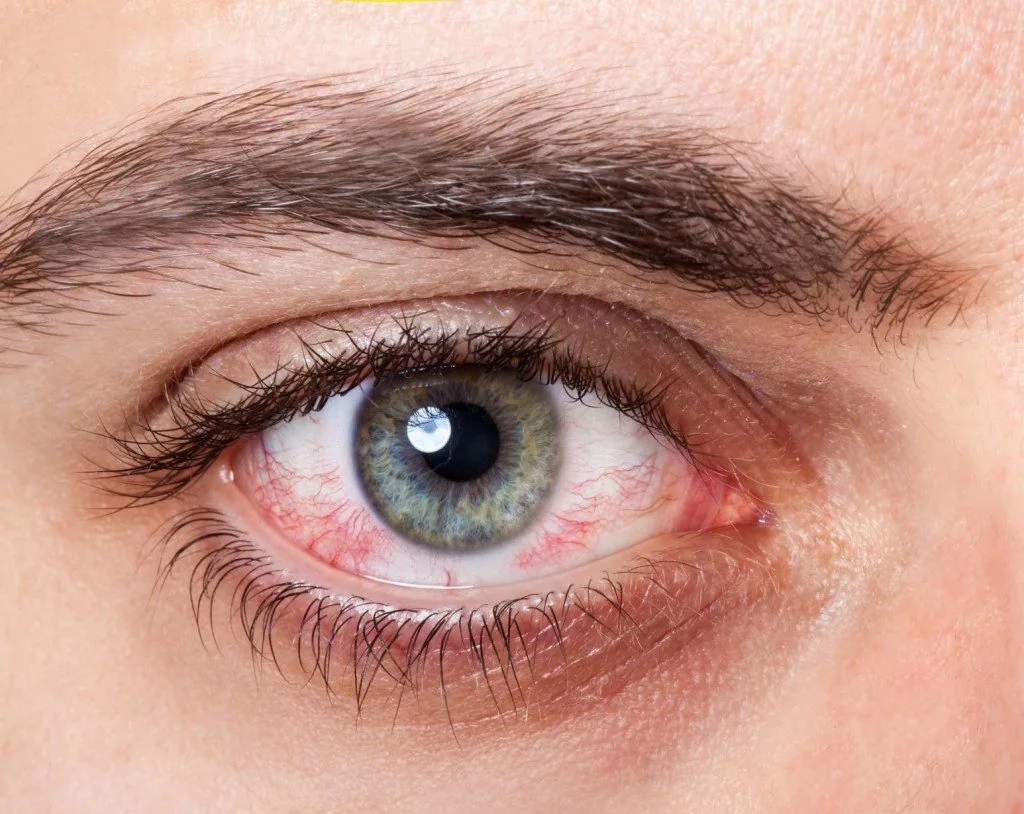
In the realm of eye health, dry eyes stand as a prevalent and discomforting condition affecting millions worldwide. Characterized by symptoms such as itching, burning sensations, and blurred vision, dry eyes can significantly impact one's quality of life. However, comprehending the root cause of this condition is crucial for effective management and treatment.
At Mega Vision Center of Brooklyn, NY, our team of experienced optometrists delves into the intricate mechanisms underlying dry eyes to provide tailored solutions for our patients. Through a holistic approach to eye care, we strive to educate and empower individuals in maintaining optimal eye health.
The Role of Tears:
Before delving into the causes of dry eyes, it's essential to understand the role of tears in ocular health. Tears serve as a protective layer for the eyes, lubricating the surface to ensure smooth blinking and maintaining clear vision. Consisting of a delicate balance of water, oils, mucus, and antibodies, tears play a crucial role in preventing infections and preserving eye health.
Primary Causes of Dry Eyes:
- Environmental Factors: Environmental elements such as dry air, wind, and smoke can contribute to the evaporation of tears, leading to dry eyes. Individuals living in arid climates or spending extended periods in air-conditioned environments may experience exacerbated symptoms.
- Age-related Changes: As we age, the composition of tears may change, leading to reduced tear production or alterations in tear quality. This age-related decline in tear quantity and quality can contribute to the development of dry eyes, particularly among older adults.
- Medical Conditions: Certain medical conditions such as diabetes, rheumatoid arthritis, and thyroid disorders can affect tear production and exacerbate dry eye symptoms. Additionally, hormonal changes during menopause can contribute to dry eyes in women.
- Medications: Various medications, including antihistamines, decongestants, and antidepressants, can interfere with tear production or quality, leading to dry eyes as a side effect. It's essential for individuals to discuss potential ocular side effects with their healthcare providers when prescribed new medications.
- Digital Eye Strain: In today's digital age, prolonged use of digital devices such as computers, smartphones, and tablets can strain the eyes and contribute to dryness. This phenomenon, known as digital eye strain or computer vision syndrome, is characterized by symptoms like dry eyes, eye fatigue, and headaches.
Seeking Comprehensive Eye Care:
At Mega Vision Center, we prioritize comprehensive eye care to address not only the symptoms but also the underlying causes of dry eyes. Our team conducts thorough evaluations, including cataract evaluations and glaucoma screenings, to assess overall eye health and identify any underlying conditions contributing to dry eyes.
Tailored Treatment Approaches:
Treatment for dry eyes varies depending on the underlying cause and severity of symptoms. At Mega Vision Center, we offer personalized treatment plans tailored to each patient's unique needs. This may include:
- Artificial Tears: Lubricating eye drops can provide temporary relief from dry eye symptoms by supplementing natural tears and moisturizing the eyes.
- Prescription Medications: In cases of underlying inflammation or meibomian gland dysfunction, prescription medications such as corticosteroids or immunomodulators may be prescribed to alleviate symptoms.
- Lifestyle Modifications: Simple lifestyle changes such as taking regular breaks from digital screens, staying hydrated, and using a humidifier can help alleviate dry eye symptoms.
- In-office Procedures: For severe cases of dry eyes, in-office procedures such as punctal plugs or intense pulsed light (IPL) therapy may be recommended to improve tear retention and quality.
Conclusion:
In conclusion, dry eyes can stem from a variety of factors, ranging from environmental influences to underlying medical conditions. By understanding the primary causes of dry eyes and seeking comprehensive eye care from professionals like those at Mega Vision Center of Brooklyn, NY, individuals can effectively manage their symptoms and maintain optimal eye health. Whether you're in need of a cataract evaluation, glaucoma screening, or relief from dry eye symptoms, our experienced team is here to provide personalized care and support.
For residents of Brooklyn, NY, searching for an optical store or optometrist near me, Mega Vision Center is your trusted partner in preserving and enhancing your vision for years to come. Contact us today to schedule an appointment with one of our experienced optometrists or call us at (718) 373-2020.