Eye Health
What is the Difference Between Optometrist and Ophthalmologist?
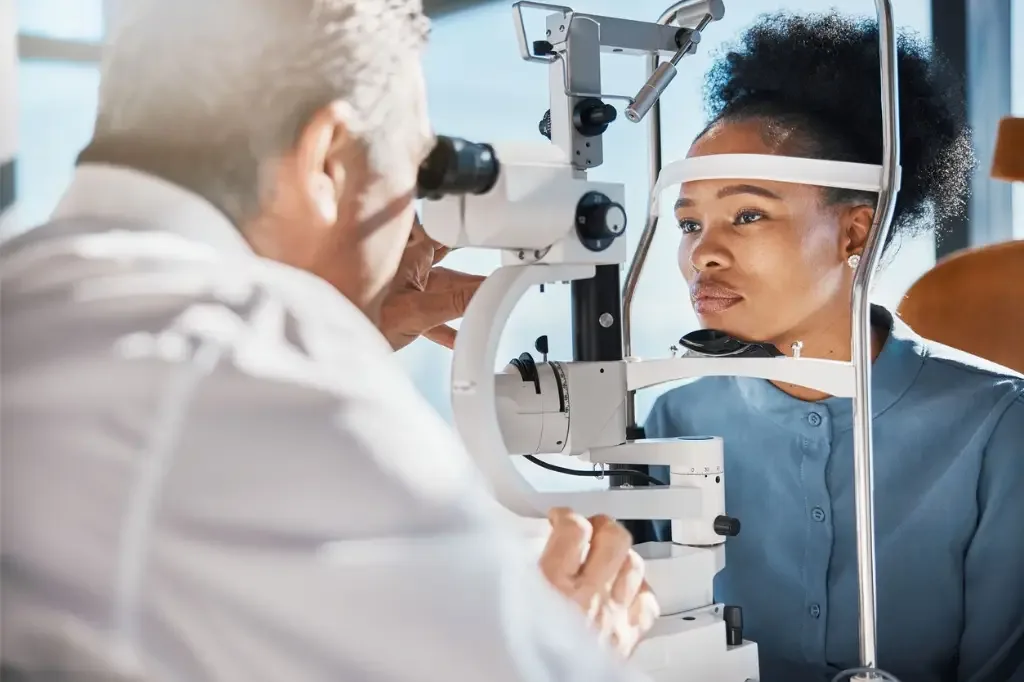
When it comes to eye care, understanding the differences between an optometrist and an ophthalmologist can be crucial for your eye health. While both professionals play vital roles in maintaining and improving vision, their training, expertise, and the services they offer differ significantly. At Mega Vision Center of Brooklyn, NY, we believe in educating our patients about their eye health, helping them make informed decisions about their care. In this comprehensive guide, we'll explore the key differences between optometrists and ophthalmologists, their respective roles, and how to determine which professional is best suited for your needs.
Understanding the Basics: Optometrist vs. Ophthalmologist
Optometrists and ophthalmologists are both eye care professionals, but they differ in terms of education, training, and scope of practice.
Optometrist:
- An optometrist is a healthcare professional who provides primary vision care. They are not medical doctors but hold a Doctor of Optometry (OD) degree.
- Optometrists are trained to perform eye exams, prescribe corrective lenses, and diagnose and manage various eye conditions.
- They often serve as the first point of contact for patients experiencing vision problems, referring them to ophthalmologists if surgical or specialized medical treatment is necessary.
Ophthalmologist:
- An ophthalmologist is a medical doctor (MD) or doctor of osteopathic medicine (DO) who specializes in eye and vision care.
- They have completed medical school, a residency in ophthalmology, and often additional fellowship training in specific areas of eye care.
- Ophthalmologists can perform eye exams, prescribe glasses and contact lenses, diagnose and treat eye diseases, and perform eye surgery.
While both optometrists and ophthalmologists are trained to provide comprehensive eye care, the extent of their training and the services they provide differ significantly.
Educational Background and Training
The educational paths for optometrists and ophthalmologists diverge after undergraduate studies.
Optometrists undergo:
- Undergraduate Education: A four-year bachelor’s degree, often with a focus on pre-medical or biological sciences.
- Optometry School: Four years of specialized training in optometry, focusing on eye care, vision correction, and diagnosing common eye conditions. Upon graduation, they receive an OD degree.
- Clinical Training: Optometrists also complete clinical training, allowing them to gain hands-on experience in diagnosing and managing eye conditions.
Ophthalmologists follow a more extended educational pathway:
- Undergraduate Education: A four-year bachelor’s degree, typically in a pre-medical field.
- Medical School: Four years of medical school, where they earn an MD or DO degree.
- Residency: A three-year residency program in ophthalmology, focusing on medical and surgical eye care.
- Fellowship (Optional): Additional one to two years of fellowship training in a specialized area of ophthalmology, such as retina, cornea, glaucoma, or pediatrics.
This extensive training enables ophthalmologists to handle more complex eye conditions and perform surgical procedures, such as cataract evaluation, glaucoma surgery, and retinal detachment repair.
Scope of Practice: What Services Do They Provide?
The differences in training between optometrists and ophthalmologists reflect in the scope of services they provide.
Optometrist Services:
- Comprehensive Eye Exams: Optometrists conduct thorough eye exams to assess vision and detect signs of eye conditions.
- Prescribing Corrective Lenses: They prescribe eyeglasses and contact lenses to correct refractive errors such as nearsightedness, farsightedness, and astigmatism.
- Diagnosis and Management of Eye Conditions: Optometrists diagnose and manage various eye conditions, including dry eyes, conjunctivitis (pink eye), and minor injuries.
- Pre- and Post-Operative Care: They provide pre-operative assessments and post-operative care for patients undergoing eye surgeries performed by ophthalmologists.
- Vision Therapy: Optometrists may offer vision therapy to improve visual skills and processing.
Ophthalmologist Services:
- Medical and Surgical Eye Care: Ophthalmologists diagnose and treat a wide range of eye conditions, both medically and surgically. This includes cataract surgery, LASIK, glaucoma surgery, and more.
- Complex Eye Disease Management: They manage complex eye diseases such as diabetic retinopathy, macular degeneration, and severe cases of glaucoma.
- Emergency Eye Care: Ophthalmologists handle emergency cases involving eye trauma, sudden vision loss, or retinal detachments.
- Specialized Eye Care: They provide specialized care for specific eye conditions, such as pediatric eye care, neuro-ophthalmology, and ocular oncology.
While optometrists are highly trained to handle routine eye care and some medical conditions, ophthalmologists are equipped to manage more serious eye diseases and perform surgeries.
Common Eye Conditions Treated by Optometrists and Ophthalmologists
Several eye conditions can be managed by either an optometrist or an ophthalmologist, depending on the severity and required treatment approach.
- Dry Eyes:
- Optometrists can diagnose dry eyes and recommend treatments such as artificial tears, prescription medications, or lifestyle changes.
- Ophthalmologists handle more severe cases of dry eye syndrome that may require advanced treatments like punctal plugs, prescription medications, or surgery.
- Glaucoma:
- Optometrists may identify early signs of glaucoma during routine eye exams and provide initial treatment, such as prescribing eye drops to lower intraocular pressure.
- Ophthalmologists manage more advanced glaucoma cases, offering treatments ranging from laser therapy to surgical interventions.
- Cataract Evaluation:
- Optometrists can conduct initial cataract evaluations and monitor the progression of cataracts over time, referring patients to ophthalmologists when surgery becomes necessary.
- Ophthalmologists perform cataract surgery, replacing the clouded lens with an artificial lens to restore clear vision.
Understanding who to see for specific eye conditions can save time and ensure you receive the most appropriate care. At Mega Vision Center of Brooklyn, NY, our team of eye care professionals, including experienced optometrists and ophthalmologists, is here to help you with your eye care needs.
When to See an Optometrist vs. an Ophthalmologist
Deciding whether to visit an optometrist or an ophthalmologist depends on your specific eye care needs.
You should see an optometrist if you:
- Need a routine eye exam or vision test.
- Require a prescription for eyeglasses or contact lenses.
- Experience mild eye discomfort, such as dryness or irritation.
- Want to check for common eye conditions like myopia, hyperopia, or astigmatism.
You should see an ophthalmologist if you:
- Have been diagnosed with a complex eye condition, such as glaucoma, macular degeneration, or diabetic retinopathy.
- Require surgical treatment for an eye condition, such as cataracts or LASIK.
- Experience sudden vision changes, eye pain, or trauma.
- Need specialized care for a specific eye condition.
By understanding the differences between these two types of eye care professionals, you can make informed decisions about your eye health.
Choosing the Right Eye Care Professional at Mega Vision Center
At Mega Vision Center of Brooklyn, NY, we offer a full range of eye care services to meet your needs. Whether you’re searching for “Optometrists Near Me” for a routine eye exam or require specialized care for a complex eye condition, our experienced team is here to provide the highest quality of care. We specialize in managing a variety of conditions, including cataract evaluation, dry eyes, and glaucoma, ensuring comprehensive care for our patients.
Our optometrists are well-versed in providing routine eye care, prescribing corrective lenses, and diagnosing common eye conditions. For more complex cases or surgical needs, our ophthalmologists are on hand to provide advanced treatment options. Our collaborative approach ensures that you receive the most appropriate and effective care for your eyes.
Conclusion
Understanding the differences between an optometrist and an ophthalmologist is essential for managing your eye health effectively. While both professionals are integral to maintaining good vision, their roles, training, and areas of expertise differ. At Mega Vision Center of Brooklyn, NY, we are committed to providing comprehensive eye care tailored to your individual needs. Whether you require a routine eye exam, treatment for a specific eye condition, or surgical intervention, our team is here to guide you every step of the way. Schedule your appointment today to take the first step towards better eye health!
At Mega Vision Center of Brooklyn, NY, we are committed to helping you achieve optimal eye health. Whether you need a cataract evaluation, treatment for dry eyes, or glaucoma management, our experienced optometrists are here to provide personalized care. Visit us today and discover how we can help you see the world more clearly, both in and out of the water.
Contact us today to schedule an appointment with one of our experienced optometrists or call us at (718) 373-2020.