Eye Health
Exploring Options for Cataract Treatment
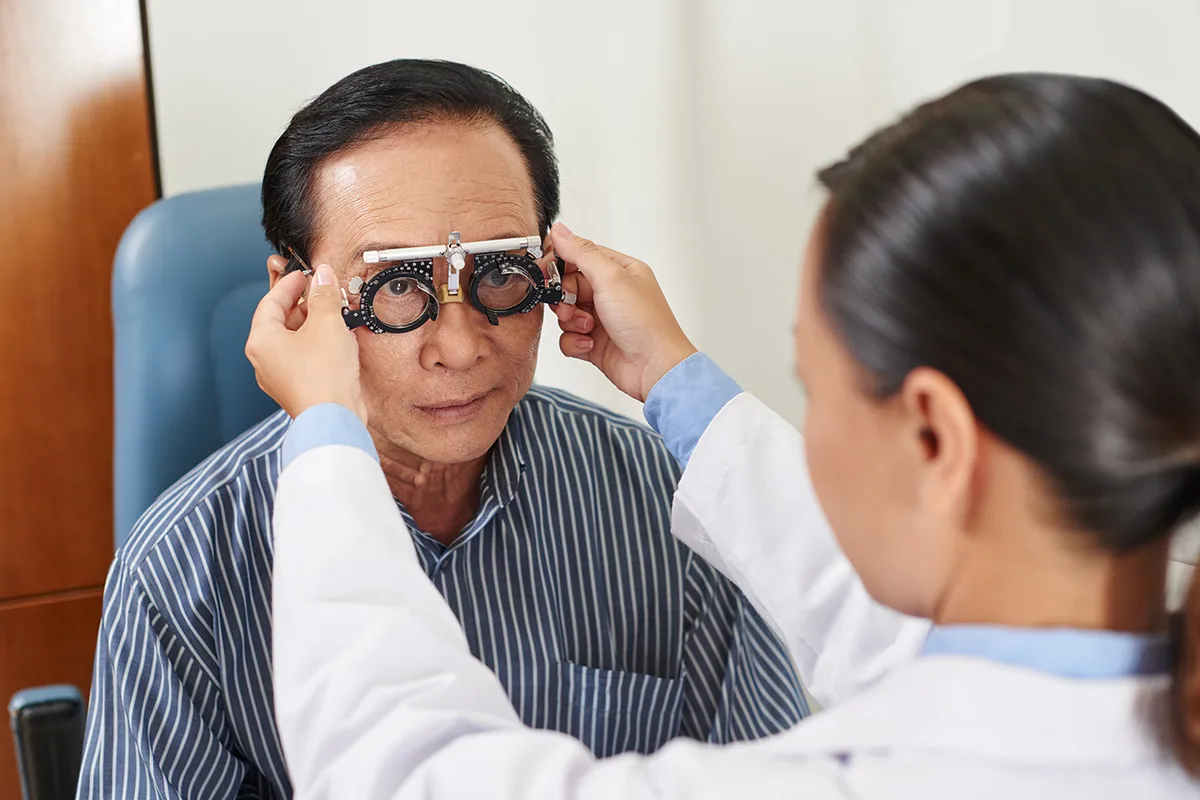
Cataracts are a common eye condition that affect millions of people worldwide, particularly as they age. A cataract is a clouding of the eye's natural lens, leading to decreased vision, glare sensitivity, and difficulty with night driving. At Mega Vision Center of Brooklyn, NY, we are dedicated to providing comprehensive cataract evaluations and a variety of treatment options to meet our patients' needs. This blog will explore the causes and symptoms of cataracts, various treatment options available, and the importance of regular eye exams to monitor eye health.
What Causes Cataracts?
Cataracts develop when proteins in the lens of the eye begin to break down and clump together, causing cloudiness. This process can be influenced by several factors:
- Aging: The most common cause of cataracts is aging. As people age, the proteins in the eye's lens naturally degrade, leading to the development of cataracts.
- Trauma: Injury to the eye can lead to the development of cataracts, either immediately or over time.
- UV Radiation: Prolonged exposure to ultraviolet (UV) rays from the sun can accelerate the formation of cataracts.
- Medical Conditions: Conditions like diabetes, which affect the entire body, can also lead to cataract formation.
- Medications: Long-term use of certain medications, such as corticosteroids, can increase the risk of developing cataracts.
Understanding the root causes of cataracts can help in early detection and treatment, which is crucial for preserving vision.
Recognizing the Symptoms of Cataracts
Cataracts develop slowly and symptoms may not be noticeable at first. However, as the condition progresses, it can significantly impair vision. Key symptoms to watch for include:
- Blurry Vision: Vision may become cloudy or blurry, making it difficult to see details clearly.
- Glare and Halos: Lights may appear too bright, and halos may be visible around headlights or streetlights at night.
- Difficulty with Night Vision: Many people with cataracts find it increasingly difficult to see in low-light conditions or at night.
- Fading or Yellowing of Colors: Colors may appear faded or have a yellow tint.
- Frequent Prescription Changes: Needing frequent updates to glasses or contact lens prescriptions may indicate cataract development.
If you experience any of these symptoms, it is important to schedule a comprehensive eye exam with an optometrist near you. At Mega Vision Center of Brooklyn, NY, we offer thorough cataract evaluations to assess your eye health and provide appropriate recommendations for treatment.
Cataract Treatment Options
The treatment for cataracts depends on the severity of the condition and how much it interferes with daily life. Here are some of the most common treatment options:
1. Prescription Glasses and Contact Lenses
In the early stages of cataract development, prescription glasses or contact lenses may help improve vision. This is often the first step in cataract management, as it provides a non-invasive option to correct vision impairments caused by cataracts. Optometrists at our Brooklyn NY Optical Store will work with you to determine the best prescription to manage your symptoms effectively.
2. Magnifying Lenses and Visual Aids
For some patients, magnifying lenses and other visual aids can help with daily tasks such as reading or working on a computer. These aids are often used in conjunction with prescription glasses to improve overall visual function.
3. Surgery
Surgery is the most effective treatment for cataracts, especially when the cataract significantly impairs vision or quality of life. Cataract surgery involves removing the clouded lens and replacing it with an artificial intraocular lens (IOL). There are several types of IOLs available, each with its benefits and limitations:
- Monofocal IOLs: These lenses are designed to provide clear vision at one distance (either near, intermediate, or far). Patients may still need glasses for certain tasks after surgery.
- Multifocal IOLs: These lenses provide vision at multiple distances, reducing the need for glasses. However, they may cause glare or halos in some patients.
- Toric IOLs: These lenses are specifically designed to correct astigmatism, a common refractive error that can occur alongside cataracts.
- Accommodative IOLs: These lenses shift position in the eye, allowing for more natural focusing at various distances.
The choice of IOL depends on several factors, including lifestyle, occupation, and specific vision needs. At Mega Vision Center, our experienced optometrists will guide you through the decision-making process to find the best option for your unique situation.
4. Laser-Assisted Cataract Surgery
Laser-assisted cataract surgery is a more advanced procedure that uses laser technology to make precise incisions in the eye. This method offers several benefits over traditional cataract surgery, including improved accuracy and potentially faster recovery times. However, it may not be suitable for all patients, so a thorough evaluation is necessary to determine eligibility.
The Importance of Regular Eye Exams
Regular eye exams are essential for maintaining eye health and detecting conditions like cataracts early. At Mega Vision Center of Brooklyn, NY, we recommend scheduling a comprehensive eye exam every one to two years, especially for individuals over 40. During these exams, our optometrists will check for cataracts, glaucoma, dry eyes, and other common eye conditions. Early detection allows for more effective management and treatment, reducing the risk of vision loss.
Managing Cataracts and Other Eye Conditions
Cataracts often occur alongside other eye conditions such as glaucoma and dry eyes. Managing these conditions effectively is crucial for preserving overall eye health. Here's how we approach these common co-existing conditions at Mega Vision Center:
1. Glaucoma Management
Glaucoma is a group of eye conditions that can damage the optic nerve, leading to vision loss. It often occurs alongside cataracts in older adults. Managing glaucoma involves lowering eye pressure through medications, laser treatments, or surgery. Regular monitoring is essential for preventing further damage and maintaining vision.
2. Dry Eye Treatment
Dry eye syndrome is a condition that affects tear production and eye lubrication. It is common in older adults and can exacerbate symptoms of cataracts. Treatment for dry eyes may include artificial tears, prescription medications, or lifestyle changes to improve tear production and eye comfort.
At Mega Vision Center, we take a comprehensive approach to eye care, addressing all aspects of our patients' eye health. By managing co-existing conditions like glaucoma and dry eyes, we can help preserve vision and improve overall quality of life.
Choosing the Right Cataract Treatment
Choosing the right cataract treatment is a personal decision that depends on various factors, including the severity of the cataract, the presence of other eye conditions, and the patient's lifestyle and preferences. At Mega Vision Center of Brooklyn, NY, we prioritize patient education and involvement in the decision-making process. Our experienced team is here to provide guidance and support every step of the way.
Whether you are experiencing early signs of cataracts or have been diagnosed with more advanced cataracts, our team is here to help. We offer comprehensive cataract evaluations, a range of treatment options, and personalized care to meet your unique needs. Contact us today to schedule an appointment and take the first step towards clearer vision.
Conclusion
Cataracts are a common but treatable eye condition. With the right care and management, individuals can maintain their vision and quality of life well into their later years. At Mega Vision Center of Brooklyn, NY, we are committed to providing high-quality eye care and cataract treatment options to our community. If you are experiencing symptoms of cataracts or are due for an eye exam, don't hesitate to reach out to us. Our team of optometrists is here to support your eye health journey every step of the way.
At Mega Vision Center of Brooklyn, NY, we are committed to helping you achieve optimal eye health. Whether you need a cataract evaluation, treatment for dry eyes, or glaucoma management, our experienced optometrists are here to provide personalized care. Visit us today and discover how we can help you see the world more clearly, both in and out of the water.
Contact us today to schedule an appointment with one of our experienced optometrists or call us at (718) 373-2020.