Eye Health
When to See an Eye Doctor
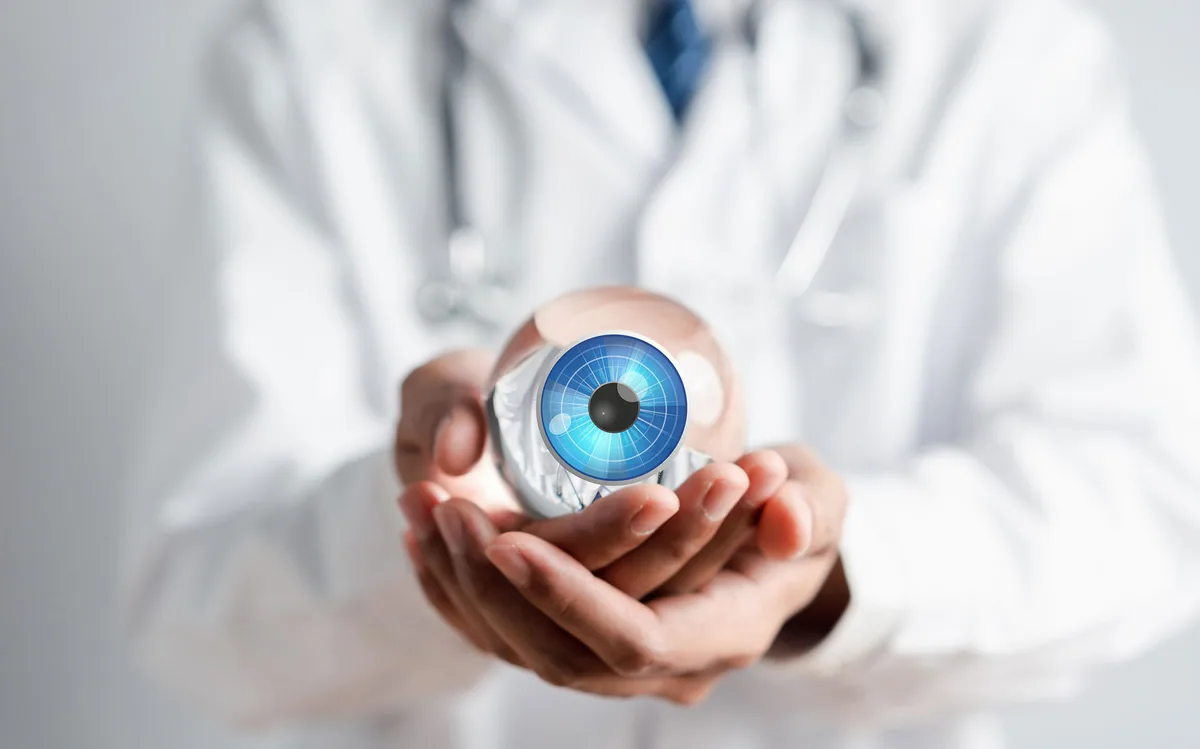
Maintaining optimal eye health is crucial for overall well-being, and regular visits to an eye doctor are an essential part of that routine. Many people often overlook the importance of eye exams, assuming that they only need to see an optometrist when they experience vision problems. However, eye exams are much more than just a check on your vision; they are comprehensive evaluations that can detect underlying health issues and prevent future problems. At Mega Vision Center of Brooklyn, NY, we are committed to providing the best care for our patients. In this blog, we will explore when you should see an eye doctor, the signs and symptoms to watch for, and how regular eye exams can prevent serious conditions such as cataracts, glaucoma, and dry eyes.
1. The Importance of Regular Eye Exams
Eye exams are not just about getting a prescription for glasses or contact lenses. They are comprehensive assessments that evaluate the overall health of your eyes and detect potential eye diseases at an early stage. Regular eye exams are particularly crucial for detecting conditions that do not show early symptoms, such as glaucoma and diabetic retinopathy. By visiting an eye doctor regularly, you can ensure early diagnosis and treatment, preventing potential vision loss.
At Mega Vision Center of Brooklyn, NY, our experienced optometrists use the latest technology to conduct thorough eye exams that can detect a wide range of issues, from refractive errors like myopia and hyperopia to serious conditions like cataracts and glaucoma.
2. Signs That You Need to See an Eye Doctor
While regular eye exams are essential, there are specific signs and symptoms that indicate you should see an eye doctor immediately:
- Sudden Vision Changes: If you experience sudden changes in your vision, such as blurred vision, double vision, or loss of vision, it is critical to seek immediate attention from an optometrist. Sudden vision changes can be a sign of serious conditions like retinal detachment, glaucoma, or stroke.
- Eye Pain or Discomfort: Persistent eye pain or discomfort should never be ignored. It could be a symptom of an eye infection, dry eye syndrome, or even more severe conditions like uveitis or glaucoma.
- Flashes of Light or Floaters: Seeing flashes of light or an increase in floaters (tiny specks that float across your field of vision) can indicate retinal detachment or a tear in the retina. Immediate consultation with an eye doctor is necessary in such cases.
- Difficulty Seeing at Night: If you notice difficulty seeing at night or while driving, it could be a sign of cataracts or a refractive error that needs correction. Early cataract evaluation can prevent the condition from worsening.
- Frequent Headaches: Frequent headaches, especially those accompanied by eye strain, could indicate a refractive error that needs correction or an issue with eye alignment.
- Dry, Itchy, or Red Eyes: Chronic dry, itchy, or red eyes can be a sign of dry eye syndrome, allergies, or an infection. An eye doctor can determine the cause and provide appropriate treatment.
3. Age-Related Recommendations for Eye Exams
Different age groups have different recommendations for eye exams. Here's a breakdown of when you should see an eye doctor based on your age:
- Children (6 months to 18 years): The American Optometric Association (AOA) recommends that children have their first eye exam at six months of age, another at three years, and again before they start school. Regular eye exams are crucial during childhood as vision problems can impact learning and development.
- Adults (18 to 60 years): For adults between 18 and 60, the AOA suggests having an eye exam every two years. However, those with vision problems or risk factors for eye disease should consider annual exams.
- Seniors (60+ years): As we age, the risk for eye diseases such as cataracts, glaucoma, and macular degeneration increases. Seniors over 60 should have annual eye exams to monitor and maintain eye health.
4. Understanding Common Eye Conditions and Their Symptoms
Understanding the common eye conditions and their symptoms can help you determine when to see an eye doctor. Here are some of the most prevalent conditions:
- Cataracts: A cataract is the clouding of the eye's natural lens, leading to blurry vision, difficulty seeing at night, and sensitivity to light. Early cataract evaluation is vital to prevent vision loss and determine if cataract surgery is necessary.
- Glaucoma: Often called the "silent thief of sight," glaucoma is a group of eye conditions that damage the optic nerve and can lead to irreversible vision loss. Regular eye exams are crucial for early detection since glaucoma often has no early symptoms.
- Dry Eye Syndrome: Dry eyes occur when your eyes do not produce enough tears or the right quality of tears. Symptoms include a burning sensation, redness, and a feeling of grittiness in the eyes. An eye doctor can provide treatments to manage symptoms and improve tear production.
- Refractive Errors: Myopia (nearsightedness), hyperopia (farsightedness), and astigmatism are common refractive errors that affect vision. Regular eye exams ensure that your prescription is up to date, providing clear vision and reducing eye strain.
- Diabetic Retinopathy: This condition affects people with diabetes and can cause damage to the blood vessels in the retina, leading to vision loss. Regular eye exams are crucial for people with diabetes to monitor and prevent this condition.
5. The Role of an Optometrist in Eye Health
Optometrists play a critical role in maintaining eye health. They are trained to diagnose and manage a wide range of eye conditions, from simple refractive errors to complex diseases like glaucoma and diabetic retinopathy. At Mega Vision Center of Brooklyn, NY, our optometrists provide comprehensive eye care services, including eye exams, prescription eyewear, and management of eye diseases.
6. Preparing for Your Eye Exam
Preparing for your eye exam can help you get the most out of your visit. Here are some tips to consider:
- Bring Your Current Eyewear: If you wear glasses or contact lenses, bring them to your appointment so the optometrist can evaluate your current prescription.
- Know Your Medical History: Be prepared to discuss your medical history, including any medications you are taking and any known allergies. This information can help the optometrist better understand your eye health.
- Prepare a List of Questions: If you have any concerns or questions about your vision or eye health, write them down and bring them to your appointment. Your optometrist will be happy to address them.
7. The Importance of Early Detection and Treatment
Early detection and treatment of eye conditions are crucial for preventing vision loss. Many eye diseases, such as glaucoma and diabetic retinopathy, progress slowly and may not show symptoms until significant damage has occurred. Regular eye exams ensure that any potential problems are caught early and treated promptly.
At Mega Vision Center of Brooklyn, NY, we are dedicated to providing high-quality eye care to our patients. Our team of experienced optometrists uses state-of-the-art technology to detect and manage eye conditions, ensuring that you receive the best possible care.
Conclusion
Seeing an eye doctor regularly is an essential part of maintaining good eye health and overall well-being. Whether you are experiencing symptoms like blurry vision, eye pain, or difficulty seeing at night, or simply need a routine check-up, the experienced team at Mega Vision Center of Brooklyn, NY is here to help. By understanding when to see an eye doctor and recognizing the signs and symptoms of common eye conditions, you can take proactive steps to protect your vision and prevent potential eye diseases.
At Mega Vision Center of Brooklyn, NY, we are committed to helping you achieve optimal eye health. Whether you need a cataract evaluation, treatment for dry eyes, or glaucoma management, our experienced optometrists are here to provide personalized care. Visit us today and discover how we can help you see the world more clearly, both in and out of the water.
Contact us today to schedule an appointment with one of our experienced optometrists or call us at (718) 373-2020.